Every parent wants to give their child that summer, the one they’ll remember years from now, the one where they grew, made friends, tried new things, and came home glowing with stories.
But with so many types of summer camps for kids, the decision can start to feel… a little overwhelming. One of the biggest choices parents face is whether to choose a traditional summer camp or one of the newer, more experiential adventure summer camps.
To make the decision easier, let’s break down the difference between traditional and adventure camps, clearly, simply, and in a way that helps you choose what fits your child best.
Understanding the Two: Traditional vs. Adventure Camps
Before you can choose between traditional and adventure summer camps, it helps to understand what each one really offers.
What Is a Traditional Summer Camp?
A traditional summer camp is exactly what most people picture when they think “camp”:
Cabins in the woods.
Campfires and s’mores.
Songs, skits, talent shows, swim time, arts and crafts, archery, and classic team sports.
These camps are built around routine, structure, and community. They focus on social development, independence, cooperation, and creating those nostalgic camp memories generations of families have cherished.
For decades, traditional camps have been the heartbeat of American summers, comforting, predictable, and rooted in timeless camp traditions.
What Are Adventure Summer Camps?
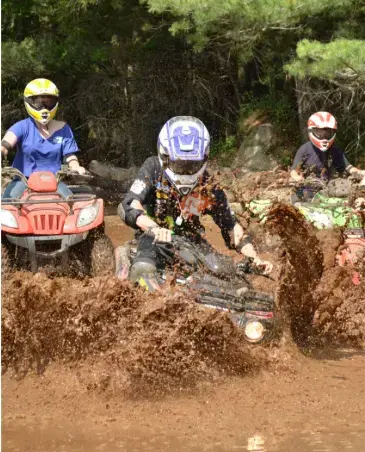
Adventure summer camps, like Long Lake Camp Adventures, turn the volume up a bit, okay, a lot. These camps are designed for kids who crave exploration, hands-on learning, outdoor challenge, and the thrill of trying something totally new.
Adventure camps lean heavily into outdoor, skill-based experiences such as:
- Hiking
- Kayaking
- Zip-lining
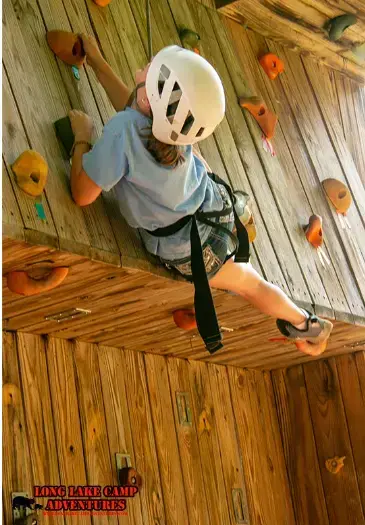
- Rock climbing
- Fishing
- High ropes
- Mountain biking
- Wilderness skills
These experiences intentionally push campers outside their comfort zones, in a safe, supported, confidence-building way.
The focus is on courage, resilience, curiosity, and personal growth through action.
Adventure camps don’t just entertain kids, they transform them.
The Difference Between Traditional and Adventure Camps

While both kinds of camps share core values like friendship and self-growth, they differ in pace, structure, and focus.
| Category | Traditional Summer Camp | Adventure Summer Camp |
| Structure | Routine-based with fixed daily schedules | Dynamic and flexible, focused on exploration |
| Activities | Sports, crafts, swimming, group games | Outdoor challenges, hikes, climbing, and survival skills |
| Goals | Building teamwork, independence, and friendship | Building resilience, confidence, and problem-solving |
| Environment | Familiar, social, and community-centered | Nature-driven and experience-oriented |
| Ideal for | Kids who enjoy predictability and social routines | Kids who love discovery and physical adventure |
Both have unbelievably huge benefits, but understanding the difference between traditional and adventure camps makes it easier for parents to determine what will appeal most to their child’s interests and temperament.
Why Parents Still Love Traditional Summer Camps
The Power of Routine and Community
There’s something comforting, almost magical, about the steady rhythm of a traditional summer camp. Kids wake up to the morning bell, join their cabin mates at flag ceremonies, spend the day rotating through classic activities, and end their nights under the stars around a campfire.
For many campers, the structure feels like a warm hug. Predictable routines help kids feel safe and grounded, especially when they’re away from home. They learn to take responsibility, show up for others, and feel like part of a team. It’s independence… with training wheels.
Traditional camp days may look simple, but they’re loaded with growth: confidence, accountability, and that priceless sense of, “Hey, I can do this.”
Emotional and Social Benefits
If there’s one thing traditional summer camps do incredibly well, it’s friendship. Real, honest-to-goodness, shared-a-cabin-and-survived-it friendships.
Kids sleep in the same bunk, share meals, play games, and solve tiny cabin dramas together (who took whose flashlight?). These are the moments that build empathy, communication, teamwork, and the ability to navigate social situations without a screen in sight.
In a digital world where group chats and emojis often replace real conversations, traditional camp reminds kids what it feels like to connect face to face, and laugh until their stomach hurts.
Classic Skills That Never Go Out of Style
- Canoeing on a quiet lake.
- Hiking trails with friends.
- Singing campfire songs wildly off key.
- Trying archery for the first time and nailing (or missing) the target.
These classic camp moments might be timeless, but they pack a punch. Kids build patience, leadership, communication, problem-solving skills, and a sense of adventure wrapped in safety and tradition.
And honestly? These core memories are the things your child will still talk about 10 years from now.
Choosing Between Traditional and Adventure Summer Camps
When it comes to traditional vs. adventure camps, here’s the good news: there is no wrong choice. Both offer powerful, meaningful experiences. The “right” pick simply depends on your child’s personality, comfort zone, and what excites them most.
Traditional Summer Camp Is Best If Your Child…
- Enjoys routine, rituals, and classic camp traditions
- Thrives on structured activities like sports or arts
- Prefers familiar settings and predictable schedules
- Is attending camp for the first time and may feel nervous about big changes
Traditional camps offer comfort, community, and a warm sense of belonging — perfect for kids who love rhythm and routine.
Adventure Summer Camp Is Best If Your Child…
- Loves physical activity and outdoor challenges
- Gets bored easily with repetition
- Enjoys exploring new environments and trying new things
- Is curious about nature, wildlife, and hands-on discovery
Adventure camps fuel curiosity, build courage, and give kids a chance to stretch themselves in safe, exciting ways.
Both types of camps help kids grow, just in different directions.
Traditional camps build emotional steadiness; adventure camps build resilience, flexibility, and bravery.
How to Choose Between Traditional and Adventure Summer Camps
Know Your Child’s Personality
Start with who they truly are, not who you wish they were.
A social butterfly might thrive on camp songs, talent shows, and big group games at a traditional summer camp, while a natural explorer might feel energized climbing a rock wall, paddling across a lake, or trying archery at an adventure summer camp.
There’s no “better”, just what fits.
Consider Their Comfort Zone
For first-time campers, a traditional camp’s familiar structure can make the transition smoother.
For kids who already love the outdoors or constantly seek new adventures, an action-packed program may be exactly what lights them up.
Think of it like leveling up, some kids are ready for the leap, others need a softer landing first.
Balance & Hybrid Options
Here’s the great news for parents who don’t want to choose:
Many camps today, including Long Lake Camp Adventures, blend the best of both worlds.
These hybrid programs combine classic camp charm (cabins, campfires, community life) with exciting adventure summer camp elements like:
- Fishing
- Hiking
- Archery
- Ropes courses
- Lake exploration
Kids get comfort and thrill. Structure and freedom. Connection and challenge.
In other words, no FOMO, for them or for you.
Long Lake Camp Adventures
At Long Lake Camp Adventures, every child gets the chance to grow in the way that suits them best. Some campers love the familiarity of routines. Others can’t wait to scale a ropes course or paddle across the lake.
Our program blends the heart of a traditional summer camp with the excitement of an adventure summer camp, giving kids the perfect mix of comfort, confidence-building, and outdoor fun.
Campers can try fishing, hiking, archery, zip-lining, watersports, and wilderness activities, while still enjoying classic campfires, team games, and the joyful traditions that make summer feel like summer.
It’s the perfect balance of connection, courage, and pure outdoor magic.
Final Decision Time
In the end, choosing between traditional and adventure summer camps isn’t about picking the “better” one, it’s about matching the experience to your child’s personality, interests, and readiness.
Both options help kids grow, make friends, stretch their skills, and create lifelong memories.
Either way, you’re giving them something priceless: a summer filled with joy, discovery, and the kind of experiences that shape who they’re becoming.
If you’re ready to explore what comes next, Long Lake Camp Adventures is where time-honored camp life meets exciting new adventures, the perfect next chapter for your camper.
FAQs
How do parents choose between traditional and adventure camps?
Parents should make the right decision by concentrating on the interests and the personality of a child. In case your kid likes order, group work, and the same traditional activities, a regular summer camp is usually the right choice. In case they are in need of new experiences, challenges, and time out in nature, an adventure summer camp might prove to be more adequate. In the case of Long Lake Camp Adventures, both of us tend to suggest that, because some children are comfortable when things are comfortable, whereas others shine when they are pressured to venture out. Consider the things that your child likes to do the most, which could be a group game and campfire songs, or hiking, fishing, and zip-lining.
How long do traditional and adventure camps usually run?
As a rule, the adventure summer camps may be a little higher due to the special equipment, professional guides, and precautions involved in high-adventure activities such as climbing, kayaking, or ropes courses. Nevertheless, the price variance is not always so severe, and the experience that your child will experience, confidence, bravery, and the Primeval aptitudes of life is frequently well compensated.
Are traditional camps better for first-time campers?
Yes, most families discover traditional summer camps to be an ideal beginning for first-time campers. The strict daily schedule, the routine, and the community-type setting will enable the children to adapt to camp life easily. These camps focus on teamwork and connection, which makes the kids feel safe, but they are taught independence. After being convinced, a number of them graduate to adventure summer camps the next year, which offer them a bit of adventure and a bit more exploration.
What kind of activities do traditional summer camps offer?
The classic camp experience in a traditional summer camp is quite diverse and will have learning, fun, and creativity. The children are also allowed to swim, canoe, do arts and crafts, archery, play team sports, attend campfire nights, and attend talent shows. This will assist the campers to have friends and acquire skills, and have a feeling of community through organized, though playful activities. We have most of these classic favorites at Long Lake Camp Adventures, and we also incorporate outdoor adventure activities, which make each day new and livelier.
Can children attend both types of camps in one summer?
Absolutely. As a matter of fact, having both experiences combined can make kids the best of the best. Most families begin the summer with a classic summer camp to ensure that their child acclimates to the camp life, and afterwards continue with an adventure summer camp to add a thump of action and adventure. At Long Lake Camp Adventures, the hybrid programs combine both to the extent of providing the heart-warming customs of traditional camping, the adrenaline and exploration of the outdoor adventure. It is the best compromise to have between comfort and challenge in an unforgettable summer for children.