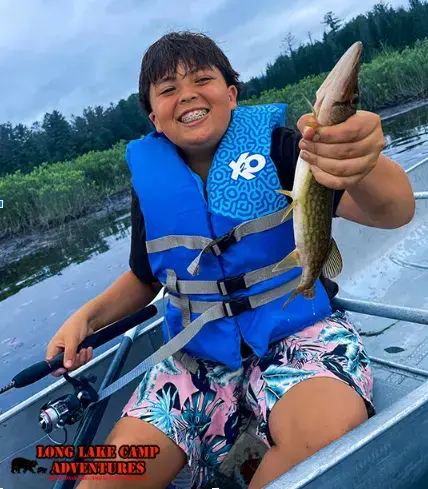
Summer’s just around the corner, and if you’re searching for a way to help your child unplug, breathe fresh air, learn real outdoor skills, and come home a little more confident (and maybe a little fish obsessed), a fishing summer camp might be exactly what you’re looking for.
But let’s break this down clearly:
- What is a fishing camp?
- Why are so many families choosing a fishing camp for kids?
- And what makes the best fishing summer camps stand out for 2026?
Whether your child is brand-new to fishing or already knows the difference between a bobber and a jig, summer fishing camps offer a safe, exciting, growth filled outdoor experience, especially the kind designed for beginners and young adventurers.
Let’s dive into what makes fishing summer camps 2026 such an unforgettable (and surprisingly impactful) choice.
When parents ask, “What is a fishing camp?”, the answer is surprisingly simple, and kind of magical.
A fishing camp for kids is a place where children learn how to cast, reel, tie knots, choose bait, identify fish species, and connect deeply with the outdoors. Think early mornings on calm water, the quiet focus of watching a bobber, the thrill of a first catch, and the community that forms when kids share skills, stories, and snacks on the shoreline.
Unlike traditional camps that revolve around sports or arts, summer fishing camps blend outdoor adventure with a hands-on skill that kids genuinely love. They’re ideal for beginners and young fishing fanatics, the “raw fam fishing fanatics” who would rather be outside with a rod than anywhere else.
Kids who already love the water feel right at home. Kids who’ve never fished before often become hooked (pun extremely intended).
How a Fishing Camp for Beginners Works
If your child has never held a fishing rod in their life, no stress.
A great fishing camp for beginners makes learning fun, welcoming, and pressure-free. The best fishing summer camps will:
- Provide all the gear (rods, tackle, bait, life jackets)
- Teach the absolute basics in a friendly, patient way
- Cover safety around water and equipment
- Break down essentials like casting, reeling, knot-tying, and fish identification
- Celebrate every first catch like it’s a world record
- Encourage teamwork and nature awareness
For fishing summer camps 2026, look for programs that prioritize inclusion, a progressive curriculum, and opportunities to build friendships, not just fishing skills.
The Appeal of Fishing Summer Camps for Kids
Why are fishing summer camps becoming so popular with families? Here’s why:
They’re the perfect break from screens and city life
Kids unplug, slow down, breathe, and reconnect with nature, something our digital world desperately needs more of.
They teach practical skills kids can use for life
Casting, knot tying, fish handling, patience, focus… These aren’t just fishing skills. They’re life skills.
They help kids build a relationship with nature
A child who spends early mornings on the water learns appreciation, awareness, and calm confidence.
They create unforgettable memories
Sunrise fishing trips. Friendly competitions. Campfire stories. Laughing with friends over who caught the “biggest” (or most questionable) fish.
And for kids who are already part of the “raw fam fishing fanatics”?
A fishing summer camp is their dream playground.
Why 2026 is a Great Year For Enrolling in a Fishing Summer Camp
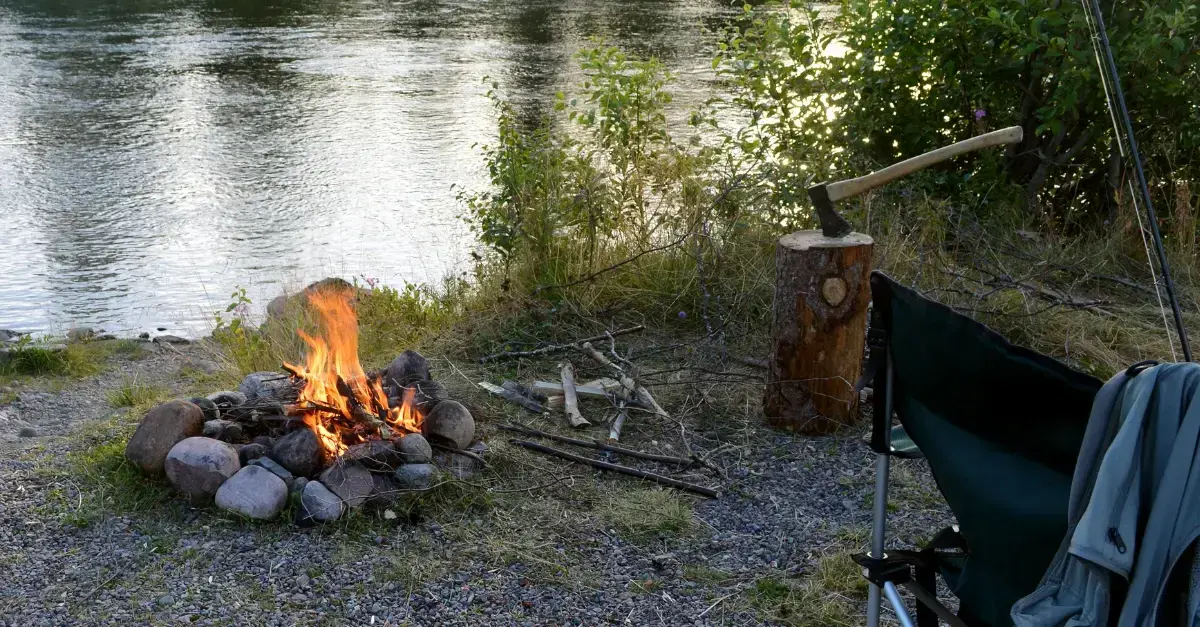
If there was ever a perfect time to send your child to a fishing summer camp, 2026 is it. More families are choosing outdoor, skill-based experiences, and summer fishing camps are becoming a favorite for parents who want more than just “something to fill the time.”
Over the past few years, we’ve all seen how valuable nature, fresh air, and hands-on experiences are for kids. Time outside helps them grow emotionally, mentally, socially, and yes, even academically. A 2024 youth development study found that fishing camps strengthen friendships, boost confidence, and build environmental awareness in a way few other activities can.
And that’s exactly why fishing summer camps 2026 are becoming the go-to choice for families seeking meaningful adventure.
Skills That Last Long After Summer Ends
Choosing a fishing camp for kids gives them far more than a fun week on the water. Fishing teaches skills they carry for life:
Patience & Focus
Fish don’t always bite right away — and that’s the lesson. Kids learn calm focus, resilience, and the joy of “finally!” moments.
Motor Skills & Coordination
Casting, reeling, knot-tying, and handling equipment build fine motor skills and body awareness.
Environmental Understanding
Campers learn about aquatic life, ecosystems, conservation, and how to respect nature — making their time outdoors purposeful.
Social Skills & Teamwork
Whether they’re sharing gear, comparing catches, taking turns, or laughing through tangles, kids learn how to cooperate and bond.
These are the kinds of skills the best fishing summer camps prioritize, and they go far beyond summer fun.
Why Now?
Parents are seeking experiences that support real growth, not more hours behind a screen. And fishing camps check every box:
- Affordable compared to many specialized programs
- Outdoor-based, maximizing fresh air, movement, and exploration
- Skill-building in ways that feel fun, not forced
- Confidence-boosting through hands-on accomplishments
- A nature connection many kids haven’t had before
In a world where kids are often overstimulated, overscheduled, and overloaded with screens, fishing summer camps 2026 offer something refreshing: space, calm, real skills, and the kind of joy that only happens on the water.
What To Look For in the Best Fishing Summer Camps
Here are some key features to consider when evaluating fishing summer camps for 2026:
Safety & Instructor Credentials
- Qualified instructors who know fishing and can teach kids.
- Good camper-to-instructor ratio.
- Proper safety protocols around water and gear.
- Clear communication with parents about activities, gear, and expectations.
Curriculum & Skill Progression
- Programs for beginners: if the child has never fished, does the camp accommodate them?
- Intermediate/advanced tracks: for returning campers who want more challenge.
- Balanced schedule: fishing is core, but also time for nature walks, teamwork, and reflection.
Environment & Location
- Natural setting: lakes, rivers, or ponds where kids can see nature in action.
- Good gear and facilities (rod/reel, bait, tackle supplied).
- Camp culture: fun, inclusive, with space for new friendships.
Value and Overall Experience
- For many families, a fishing summer camp is a smart investment: skill building + outdoor experience.
- Check what’s included (equipment, meals, accommodation if needed).
- Flexibility in duration: maybe a week, maybe multi-week.
Sending your child to a fishing summer camp isn’t just about catching fish, it’s about helping them grow in ways that go far beyond fun. The best fishing camps for kids mix adventure, outdoor skills, confidence building, and nature connection into one unforgettable experience.
1. Appreciating Nature & the Outdoors
Kids today don’t get nearly enough time outside, and summer fishing camps reconnect them with the natural world. They spend their days on the lake, learning about fish, water ecosystems, and conservation. It’s hands-on environmental education that feels like play, not a lesson.
2. Cultivating Patience & Focus
Fishing teaches patience the way few other activities do. Kids learn to wait, observe, adjust, and try again, without immediate gratification. This practice builds focus, resilience, and the ability to stay with something until it pays off. (A pretty great life skill, if we’re being honest.)
3. Motor Skill Development & Coordination
Casting a line, reeling in, balancing on the shoreline, tying knots, fishing camp for kids develops hand-eye coordination, fine motor skills, and overall body awareness. Kids build physical and cognitive skills at the same time, all while outdoors and moving.
4. Social Skills & Independence
Camp life means new friends, shared goals, teamwork, and learning how to navigate group situations, all in a supportive environment. Add fishing to the mix and you get even more opportunities for leadership, collaboration, and confidence-building.
5. Mental Health, Stress Relief & Unplugging
Still water. Fresh air. Slow mornings. No screens.
Fishing is naturally calming, it’s meditative without trying to be. Studies on youth fishing show measurable psychological and physiological benefits. Kids slow down, breathe deeper, and reset.
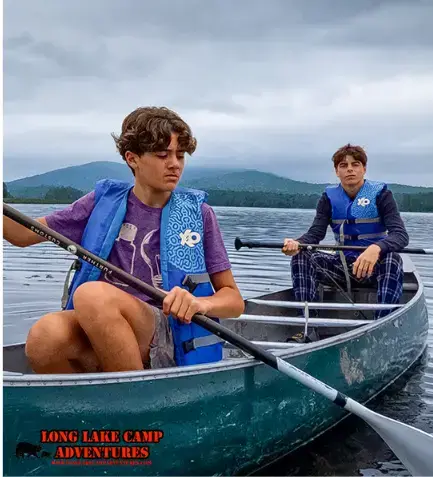
Fishing Summer Camps 2026 by Age & Experience
For Beginners (What is a fishing camp for first-timers?)
If your child has never held a fishing rod, don’t worry. A great fishing camp for beginners includes:
- No prior experience required
- Small-group instruction
- Friendly intro to gear, safety, and ethics
- Tons of encouragement
- Celebrating every first catch
Beginners thrive in programs designed to make fishing accessible, confidence-boosting, and fun.
For Returning Campers / Intermediates
If your child already loves fishing or attended previously, the best fishing summer camps offer next-level challenges:
- Fly fishing fundamentals
- Advanced casting techniques
- Fishing deeper waters or harder-to-reach spots
- Leadership roles mentoring younger campers
Tiered instruction keeps returning campers motivated and excited for fishing summer camps 2026.
Age-Appropriate Programming
Most summer fishing camps divide campers by age, for example, 8–10 and 11–14. Younger campers get more step-by-step support, while older campers get more freedom, responsibility, and exploration opportunities. This ensures every child learns at the right pace.
Final Thoughts
So, why sign your child up for a fishing summer camp in 2026?
Because they’ll walk away with so much more than fishing skills.
They gain patience, confidence, resilience, social bonds, environmental awareness, and a deep appreciation for nature, all while having an unforgettable summer.
At Long Lake Camp Adventures, we focus on giving kids the real outdoor experience: slow lake mornings, the excitement of a first catch, the serenity of nature, and a community of campers who want more than just another week away from home.
If you’re ready to explore our 2026 sessions, we’d love to help you get started.
FAQs
What age is best for kids to start fishing camps?
An average child of ages seven to nine years will be willing to attend a fishing summer camp because they are old enough to follow instructions, operate equipment safely, and can stay focused even when they are spending more time. Young beginners are invited at Long Lake Camp Adventures; each program will be designed according to their level of skill. The parent should know that whether your child is learning to cast or they are perfecting what they know, we ensure that all the campers feel inclusive, safe, and enthusiastic to learn about casting on the water.
What kind of activities do fishing camps offer?
A fishing camp for kids offers much more than just fishing. Campers spend their days learning how to cast, tie knots, and identify different fish species while exploring the great outdoors. They also enjoy guided nature walks, group challenges, and evening campfires that build friendships and teamwork. At Long Lake Camp Adventures, we mix structured lessons with fun outdoor experiences, giving kids the perfect balance of learning and play in a scenic lakeside environment.
Do fishing summer camps provide fishing gear?
Yes, the fishing summer camp most of the time issues all the gears necessary to your successful fishing experience which include the rods, the freelance, bait and tackle. At Long Lake Camp Adventures, we ensure that all the campers are well equipped before going to the water and therefore the parents do not have to spend a lot of money buying expensive equipment. Children who already have their rods can come with them, but our team will make sure that everyone is well provided to go fishing comfortably and safely.
How can fishing camps improve children’s patience and focus?
Fishing will teach the children great life lessons, and they will not be limited to the waterside. It takes stillness, patience, and concentration to wait for the fish will bite, and these are some of the qualities that naturally evolve in the camping setup. One of the lessons campers gain over time is to value the process instead of the result and develop resilience and emotional maturity. We promote progress in kids at Long Lake Camp Adventures, making them realize that every step to their improvements is worth being proud of, which will make them pay more attention and become more patient on and off the water.
What should kids pack for a fishing summer camp?
Fishing camp packing is all about comfort and convenience. Children are expected to come with outfits that can be used during the outdoor fun, such as light shirts, shorts, and a rain jacket, as well as sun protection gear like a hat and sunscreen. A reusable water bottle, durable shoes, sportswear, and simple hygiene items go a long way, as well. There is always a comprehensive list of what is being packed before we start the camp, so parents do not need to turn into the finer details of the exact items, and it makes the preparation easier and stress-free.
Are fishing camps suitable for girls too?
Absolutely. Fishing is not exclusive and most of our most active campers are girls who enjoy relaxing, adventure, and nature that they have found in fishing. Long Lake Camp Adventures boasts of building a non-discriminatory and supportive atmosphere in which every youth, level of experience, is able to acquire confidence, leadership, and a lifetime comprehension of the outdoors. We will aim at ensuring that all the campers are made to feel at home, enabled, and inspired.